“I don’t look at myself as a basketball coach. I look at myself as a leader who happens to coach basketball.” – Mike “Coach K” Krzyzewski
Every coach has felt it before.
The energy shifts.
The engagement dips.
The locker room gets quiet in all the wrong ways.
And suddenly, you’re spending more time putting out fires than building your team.
This past week I spoke to a great group of high school and college coaches about this topic, and I thought it would be worthwhile to share it with everyone. Let me know your thoughts in the comments.
Losing the locker room rarely happens overnight. It’s slow. Subtle. And usually invisible until it’s nearly gone. But the good news? There are clear, intentional actions coaches can take to protect team culture and keep players excited to show up and work for each other every single day. I’ll be the first to tell you that I have failed in a lot of these areas below, but I believe that learning from your mistakes or misjudgments is the key to coaching growth. We never stop learning. We never stop trying to be 1% better.
Here are the Top 10 Ways NOT to Lose Your Locker Room, followed by a powerful bonus that impacts athletes long after the season ends.
1. Tell the Truth and Give Them Hope
Players can handle honesty. What they can’t handle is confusion.
Be clear about where they are, where the team is going, and what improvement looks like. Honesty builds trust—but honesty paired with belief builds momentum.
2. Teach Your Players How to “Coach” Their Parents
Most of a player’s stress doesn’t happen in the gym—it happens in the car ride home.
Teach athletes how to communicate expectations at home, redirect emotional conversations, and explain their role with maturity. When players gain ownership over their experience, everyone wins—parents included.
3. Make Every Player Feel Known and Needed
Players disconnect when they feel invisible.
Ask about their day. Their classes. Their life outside basketball. Clarify their role and update it as they grow. When players feel valued as humans, not just athletes, they’ll run through walls for your program.
4. Model Emotional Control
Your emotional state becomes theirs.
Teams mirror the coach’s composure. If you stay calm in storms, they’ll learn how to respond instead of react. Emotional control is a competitive advantage—and a cultural anchor.
5. Invest in Your Staff’s Voice
Your assistants shape more of the locker room than you realize.
Empower them. Align messaging. Make sure players hear one standard, one direction, one heartbeat. A unified staff creates a unified team.
6. Create Shared Ownership
Culture collapses when it relies on compliance.
Let players help define standards, expectations, and internal accountability. When players build the culture, they protect it. Ownership is stronger than obligation.
7. Turn Adversity Into a Shared Mission
Adversity isn’t a threat to culture—it’s a chance to strengthen it.
Losses, injuries, drama, bad practices… every team faces them. What matters is how you frame the response:
“What are we learning?”
“How do we grow from this?”
“What’s our next right step?”
Teams that embrace adversity stay connected.
8. Swallow Your Pride and Reconnect
Every relationship hits friction. The mature leader initiates the repair.
Pull the player aside. Talk. Listen. Reset. Humility disarms tension. Reconnection builds loyalty. Pride might win the moment, but humility wins the locker room.
9. Find Small Wins and Keep Them Visible
Kids need to see their own progress.
Celebrate effort, communication, discipline, and improvement—not just stats and highlights. When players believe they’re getting better, engagement skyrockets.
10. Make Sure Every Standard Has a Purpose
If a rule exists just because “it’s how we’ve always done it,” it will eventually fail.
Players buy into standards when they understand the why.
Explain the reason. Explain the value. Explain the impact.
Purpose keeps standards alive.
Purpose keeps culture aligned.
Purpose keeps players invested.
Bonus: Help Them Become the Masters of Their Future (and Their Recruiting)
This might be the single greatest way to keep your locker room.
Teach your athletes how to own their future:
- How to communicate with college coaches
- How to evaluate programs
- How to understand fit, roles, and expectations
- How to navigate pressure, comparison, and opportunity
When players feel in control of what’s next, they show up differently today.
They’re more confident.
More disciplined.
More appreciative.
More loyal to coaches who invest in their long-term success.
Help them become the CEOs of their journey—and you’ll never lose their commitment.
Final Thoughts
Locker rooms aren’t held together by hype.
They’re held together by habits.
Daily connections.
Daily standards.
Daily choices.
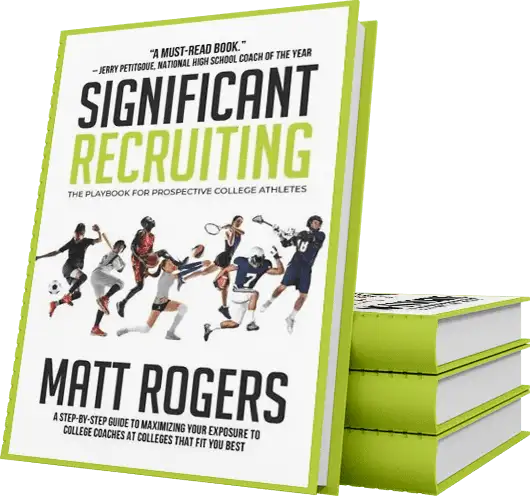
If this resonates with you, I invite you to visit CoachMattRogers.com, where you’ll find the Significant Recruiting book and the growing Recruit’s Journal series—designed to help athletes take ownership of their journey with clarity and confidence.