The ego is only an illusion, but a very influential one. Letting the ego-illusion become your identity can prevent you from knowing your true self. Ego, the false idea of believing that you are what you have or what you do, is a backwards way of assessing and living life. -Wayne Dyer
When families begin the recruiting process, it is easy to let sports become the center of everything. The team tryouts, the camps, the phone calls, the visits, the pressure, and the social media posts can all start to make a young athlete feel like their value is tied directly to how well they play and what level they are recruited to. That is dangerous territory.
Your child is more than an athlete.
Sports are important. They can open doors, create opportunities, build confidence, and provide incredible memories. They can also teach life skills that matter long after the final game is over—things like teamwork, leadership, communication, resilience, discipline, accountability, time management, and how to handle success and failure. Those lessons are often far more valuable than the sport itself.
At some point, every athlete’s playing career comes to an end. For some, that happens after high school. For others, after college. For a select few, maybe it lasts beyond that. Regardless of when it ends, sports cannot be the only thing your child knows about themselves.
One of the most important jobs parents have during the recruiting journey is helping their child build an identity outside of sports. They need confidence in who they are when they are not in uniform. They need friendships that are not tied only to their team. They need interests, hobbies, passions, and dreams that go beyond points scored, goals scored, innings pitched, or kills recorded.
The healthiest recruiting decisions happen when families look at college as much more than an athletic opportunity.
1. The Classroom
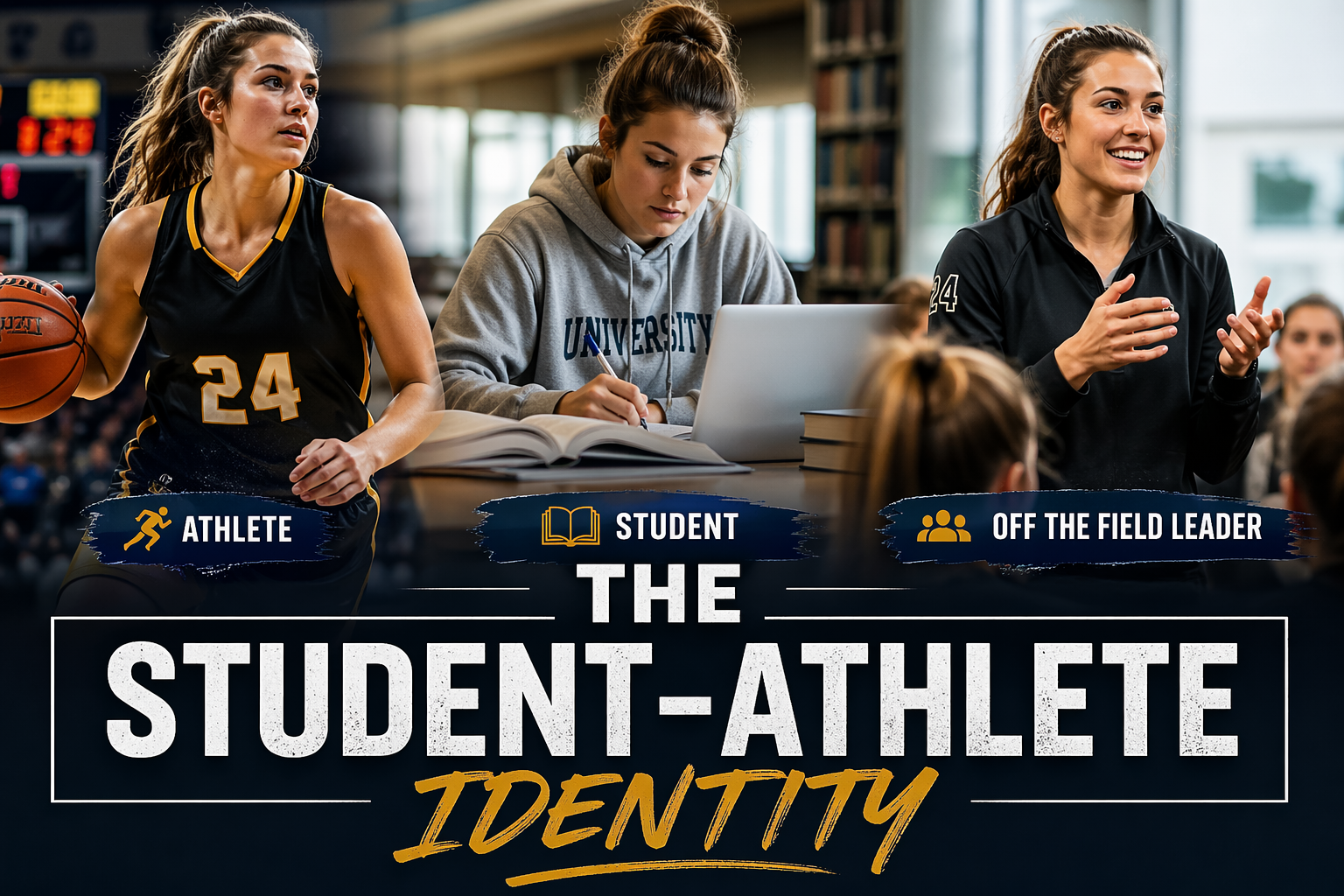
I always encourage families to think about college as being made up of three important parts. Sports should only be about one-third of the overall picture.
What does your child want to study? What subjects do they enjoy? What classes sound interesting? What kind of career might they want after sports are over? Too many athletes choose a college because of the logo on the jersey or the division level, only to realize later they do not like the academic offerings or they are uncomfortable in that academic culture.
College should prepare your child for life after sports too. The degree matters. The relationships with professors matter. The internships, job opportunities, and skills they develop matter. Athletics may help get them there, but academics will help carry them forward long after the final game is played. It’s more important than ever that we get that part right.
2. The Residence Halls, Campus Life, and Community
Can your child picture themselves being happy there outside of practices and games? What kind of environment fits them best? Big campus or small campus? Close to home or farther away? Do they want a place with the right fit of clubs, campus activities, leadership opportunities, internships, or community involvement?
The college experience is about so much more than what happens on the playing surface. It is about the people they live with, the friendships they build, the clubs they join, the experiences they have, and the memories they create.
I do not think most parents underestimate how important these things are. I think they get caught in the difficult reality of trying to balance all of those needs with the cost of college, the pressure to find scholarship money and appeasing their child’s sometimes under-developed desires and dreams.
That is understandable.
You want your child to make the decision. You want college to be as affordable as possible or FREE, but in the end, the wrong choice might end up costing them a lot more than tuition, and it might end up making them play catch-up for the wrong decision years after college.
3. The Athletic Experience
Of course, they need to like the sport environment too. They need to picture themselves enjoying the coaches, the teammates, the style of play, the facilities, the travel, and the overall experience. They need to understand that the athletic experience if much more than starting and winning awards and championships.
What kind of relationship do they want with their coaches? What kind of teammate do they want to be? What kind of teammates do they want around them? Where does the team travel to compete? What does the daily schedule look like? What is expected of them outside of games and practices?
These are all important questions.
A college decision should never be based only on scholarship money, how much playing time they think they might get, or what division level the school competes in. Those things matter, but they should not be the only things that matter.
When recruits can picture themselves thriving in all three areas—the classroom, the campus community, and their sport—they are much more likely to make a healthy decision that is right for them. They are more likely to stay at one school through graduation. They are more likely to enjoy the experience. And they are more likely to leave college with not only a degree, but also friendships, confidence, perspective, life skills, and a real understanding of who they are.
If you need help thinking through what the right fit could look like for your family, visit coachmattrogers.com to schedule a recruiting assessment and strategy session. Sometimes the best decisions happen when you step back, ask better questions, and remind your child that they are more than just an athlete.